
Skip links

Stem cell treatments and stem cell research

Clinical trials use umbilical cord blood stem cells to treat type 1 diabetes

Stem cells and type 1 diabetes In type 1 diabetes, the body´s own insulin production has completely stopped. For some unknown reason, the body´s immune system attacks and destroys the insulin-producing cells in the pancreas, which eventually leads to total insulin deficiency1. It is not known why the immune system, which is there to defend […]

Stem cells show promising results for treating cerebral palsy and autism

Stem cells and neurological diseases, cerebral palsy, CP, and autism spectrum disorders, AST Stem cells show promising results for treating children with neurological diseases such as CP and AST.   Stem cells and cerebral palsy, CP: CP is an abbreviation of the Latin name Cerebral Palsy.  Palsy meaning weakness or problems with using the muscles. […]

Stem cell therapies as a therapeutic option for the treatment of rheumatoid arthritis, RA

Stem cells and rheumatoid arthritis, RA Mesenchymal stem cells, MSCs are an interesting cell candidate for the development of treatments for autoimmune diseases such as rheumatoid arthritis, RA. MSCs have the ability to attenuate an overactive immune response, found in these patients1.   Rheumatoid arthritis, RA, like osteoarthritis, affects the joints. The disease can also […]

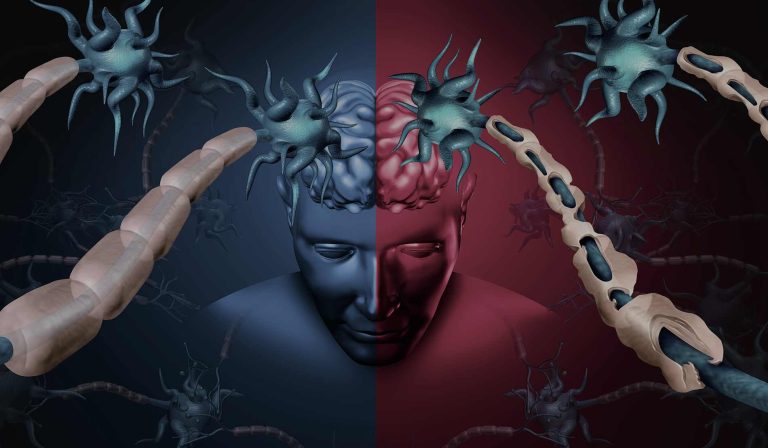
Haematopoietic stem cells have become an approved treatment for Multiple Sclerosis

Stem cells and Multiple Sclerosis, MS Multiple sclerosis (MS) is a neurological disease that affects the brain and spinal cord 1. The term sclerosis refers to the formation of plaques in the brain and spinal cord 1. In MS, the patient’s own immune system attacks the myelin sheath that surrounds and protects nerve fibres in […]

Umbilical cord stem cells can relieve symptoms of inflammatory bowel disease

Stem Cells and inflammatory bowel disease Inflammatory bowel disease, IBD, includes Crohn´s disease and ulcerative colitis. IBD is characterized by chronic inflammation of the intestinal mucosa. Common symptoms are abdominal pain, diarrhea, weight loss, fever and constitutional symptoms1. The cause of the disease is incompletely mapped, but both heredity and environment are important. IBD is […]

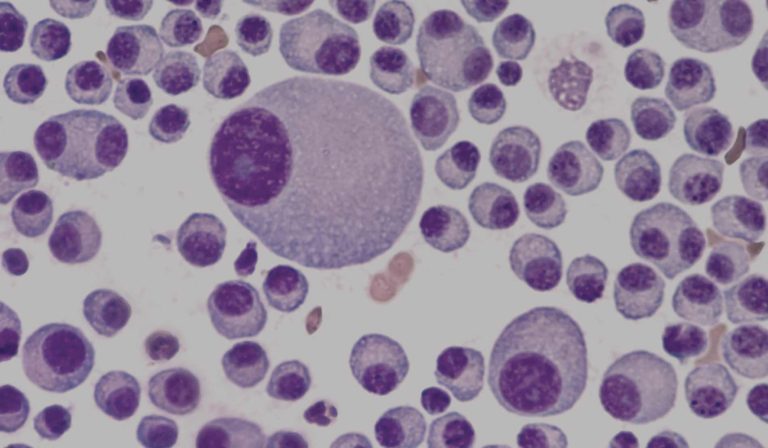
High-dose treatment with chemotherapy followed by stem cell transplantation is today the standard treatment for multiple myeloma

Stem cells and multiple myeloma Medical treatments with tissues and cells are increasing thanks to major advances in biotechnology. Today, there are more than 80 diseases and conditions that are treated with stem cells from umbilical cord blood, including multiple myeloma. Myeloma, also known as multiple myeloma, is a type of blood cancer that develops […]

In 2014, the first stem cell therapy for the treatment of ALS was launched

ALS and stem cells Amyotrophic Lateral Sclerosis, (ALS) is a serious but unusual neurodegenerative disease, for which there is currently no cure. Every year, just over 200 people are diagnosed with the disease in Sweden. ALS affect the nerve cells that control voluntary muscle movements, such as walking and talking, swallowing and breathing (motor neurons)1. […]

Umbilical cord blood stem cells could be a promising new approach for repair of cleft palate in infants

Cleft Lip and Cleft Palate Background Cleft lip and cleft palate are openings or splits in the upper lip, the roof of the mouth (palate) or both. Cleft lip and cleft palate result when facial structures that are developing in an unborn baby don’t close completely1. Cleft palate is the second most common birth defect […]

Cells from cord tissue

There are many different types of stem cells in the umbilical cord tissue. There are epithelial and endothelial stem cells, but cord tissue is mainly rich in mesenchymal stem cells, MSC. Clinical trials are underway with umbilical cord stem cells as a treatment option for conditions and diseases such as autoimmune diseases, such as lupus, […]

Stem cell therapy for OA is currently offered as an experimental treatment

Osteoarthritis, OA and stem cells Osteoarthritis, OA is a degenerative condition that affects the joints 1. It is a chronic disease. Over time, the cartilage that protects the joints, and prevents one leg from rubbing against another, breaks down. This can cause the leg ends of the joint to come into contact and in some […]

Stem cells are used in the treatment of immune disorders

How can stem cell therapy be beneficial in the treatment of immune disorders? An immune disorder is a dysfunction of the immune system. Disorders of the innate or adaptive immunity usually occurs in early childhood and often lead to serious or fatal complications. These disturbances affect development and/or function of different cells in the immune […]

Metabolic disorders are successfully treated with stem cells

Inherited metabolic disorders refer to different types of medical conditions caused by genetic defects that interfere with the body´s metabolism That usually happens because you inherit a defective gene for that enzyme from a parent before you´re born. You have two genes for each enzyme, one from each of your parents. To have a hereditary […]

Stem cells supports the treatment of solid tumors

Solid tumors represent 30 % of all cancers in children. They can occur in several parts of the body. Cord blood has been approved for replacement of bone marrow and recovery of the immune system following chemotherapy for some of the most common childhood cancers including solid tumors like neuroblastoma, medulloblastoma and retinoblastoma. Medulloblastom Neuroblastom […]

Stem Cells in cancer treatments

How can stem cell therapy be beneficial in cancer treatment? The blood-forming stem cells are found in the bone marrow. Through several stages of maturation, all our blood cells are formed. The maturation of the stem cells takes place gradually and depending on where errors occur in the maturation process different blood cancer diseases can […]

Stem Cell treatment of Blood Disorders

Diseases and conditions that affect the blood are called blood diseases or haematological diseases/conditions. There are many different ones and they can affect the body’s cell count as well as the function of the cells in the blood or proteins in the coagulation system or immune system.